

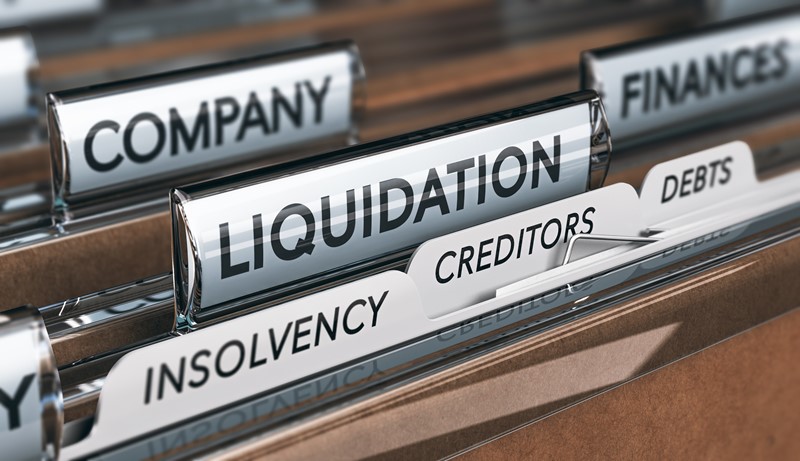
Unpaid debts can put a limited company at risk of a winding-up petition, potentially leading to liquidation. Creditors may act via court judgments or statutory demands, forcing companies to settle debts. Learn how this process works and the consequences for the business.
A limited company that has unpaid debts, beyond their normal agreed payment terms, can face a precarious future. The people or organisations that are owed money may be able have the company wound up (dissolved) by applying for a winding-up petition. This is a drastic measure and can lead to the company in question being liquidated. This action, by the creditors, can be a powerful motivator for the company to settle its debts before the process is completed.
The creditors can start this process by either:
- Obtaining a court judgment. A company has 14 days to respond to a court judgment. If the company does not respond to the court judgment within 14 days, the creditors can apply to have the assets seized by a bailiff or sheriff.
- By making an official request for payment – this is called a statutory demand. A company has 21 days to respond to a statutory demand. The creditors can apply to wind up the company if the company does not respond to a statutory demand within 21 days.
If the court grants the winding-up petition, a liquidator is appointed to sell the company’s assets and pay off creditors. However, unsecured creditors are unlikely to receive full payment, depending on the company's assets.
When a company enters administration, liquidation or receivership, the appointed Insolvency Practitioner is required to post announcements in the London Gazette.
by Admin
Share
STAY IN THE LOOP
Subscribe to our free newsletter.

When a couple divorces or separates, they need to agree how their finances will be divided. This can include property, pensions, savings, investments and maintenance payments. Where possible, reaching

Pensioners who do not want to receive the Winter Fuel Payment for winter 2026-27 have until September to opt out. The payment will be recovered through the tax system from those whose total income

The tax treatment of some crypto assets is set to change under draft legislation for Finance Bill 2026-27. The proposed changes include new rules for qualifying stablecoins, crypto asset loans and

Businesses in the vaping sector are reminded that the new Vaping Products Duty and the Vaping Duty Stamps Scheme will take effect from 1 October 2026. HMRC is urging manufacturers, importers,