

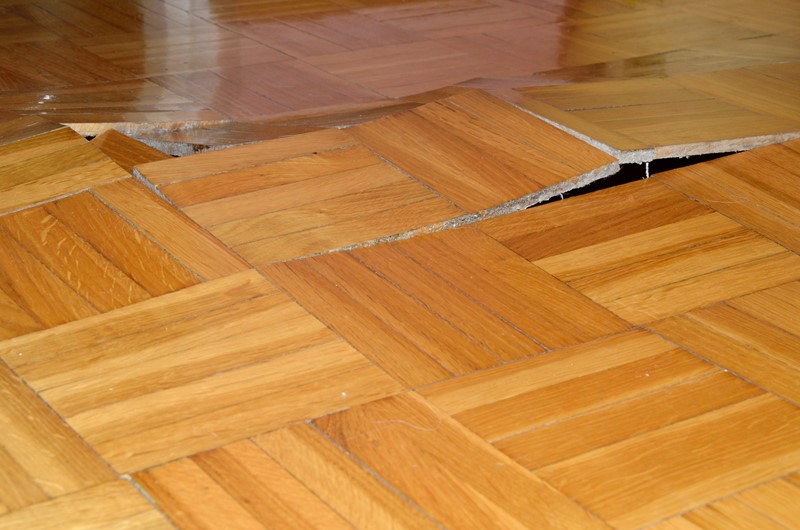
Property owners often incur costs for repairs, and understanding which costs can be deducted is important when calculating taxable property income.
You can generally claim tax relief for repairs carried out on a property business, provided the cost relates to restoring or maintaining the property rather than improving it. A deduction is normally available when the repair expense is incurred, but future repairs that are only anticipated cannot usually be claimed.
Claiming capital allowances on a property or asset does not prevent you from claiming a deduction for genuine repairs. However, costs that improve or enhance the property may be treated as capital expenditure rather than a repair.
If you receive grants or insurance payments towards repair costs, these may reduce the amount you can deduct. Similarly, where tenants contribute towards repair costs, you can generally only claim a deduction for the amount you actually pay.
Understanding the difference between repairs and improvements can help ensure you claim the correct tax relief and accurately report your property income.
by Admin
Share
STAY IN THE LOOP
Subscribe to our free newsletter.

Alternative providers of higher and further education may be able to claim refunds of VAT following a recent Court of Appeal ruling, although the position remains subject to further legal

Cryptoassets can create unexpected tax liabilities. HMRC’s guidance highlights several areas where mistake can be made.
Assuming crypto-to-crypto exchanges are tax-free. Exchanging one type of

HMRC has revealed that it had £42.8 billion in outstanding tax debt at the end of March 2025, equivalent to 5% of total tax receipts. The figures appear in its corporate report, The HMRC tax debt

You may have to pay Income Tax on your pension if your total annual taxable income exceeds your Personal Allowance. This applies whether you receive the State Pension, a workplace pension or a