


If a call from your bank feels suspicious, just hang up and dial 159 to be connected safely to your bank’s fraud team.
The 159 helpline was launched in September 2021. The helpline is designed to help consumers quickly and safely reconnect with their bank when they receive a suspicious or unexpected call about a financial matter. 159 now works for over 99% of UK retail bank customers, providing an extra layer of protection against phone scams.
If you receive a call that feels off, hang up and dial 159. This short code cannot be spoofed or imitated, unlike many regular phone numbers. It connects you directly to your bank’s fraud team, helping you verify the legitimacy of any request before acting.
The memorable number, with the digits forming a diagonal on the keypad "159", has already been used over 800,000 times since its launch. It works with most major UK banks, including Bank of Scotland, Barclays, First Direct, Halifax, HSBC, Lloyds, NatWest, Royal Bank of Scotland, Santander, Monzo, Starling and Virgin Money.
There are ongoing plans to expand and enhance the service including a proposal for having Ofcom designate 159 as a mandatory “Type A” number, like 999 or 111.
If you receive a call purporting to be from your bank that is concerning, calling 159 is a fast, secure way to protect yourself and your finances.
by Admin
Share
STAY IN THE LOOP
Subscribe to our free newsletter.

When a couple divorces or separates, they need to agree how their finances will be divided. This can include property, pensions, savings, investments and maintenance payments. Where possible, reaching

Pensioners who do not want to receive the Winter Fuel Payment for winter 2026-27 have until September to opt out. The payment will be recovered through the tax system from those whose total income
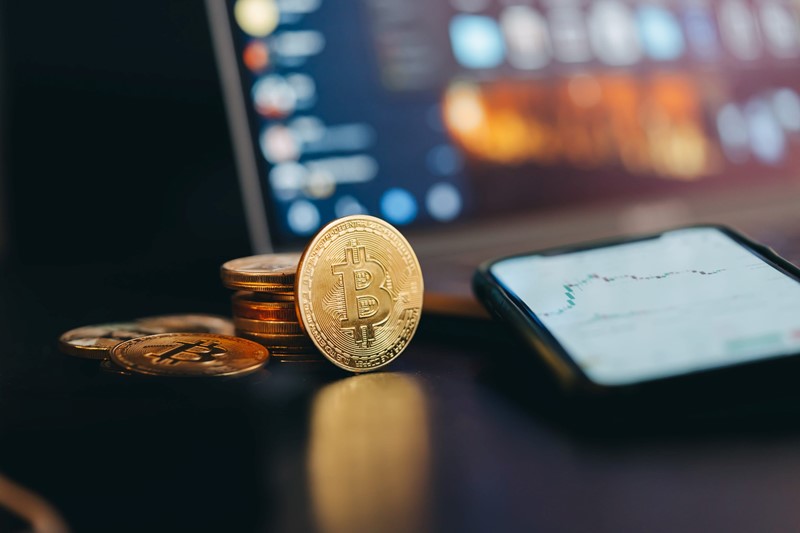
The tax treatment of some crypto assets is set to change under draft legislation for Finance Bill 2026-27. The proposed changes include new rules for qualifying stablecoins, crypto asset loans and

Businesses in the vaping sector are reminded that the new Vaping Products Duty and the Vaping Duty Stamps Scheme will take effect from 1 October 2026. HMRC is urging manufacturers, importers,